
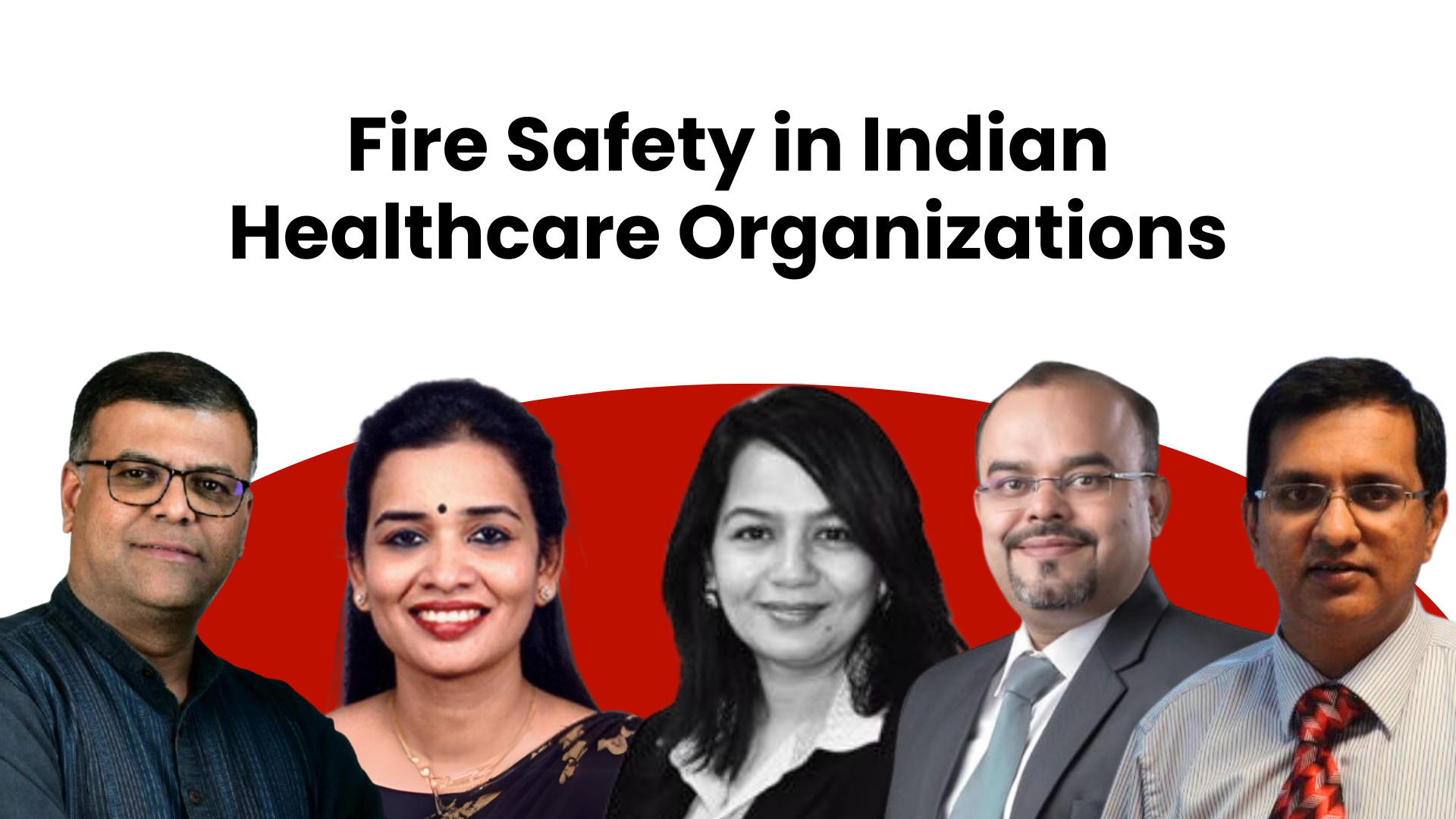
Fire Safety in Indian Healthcare Organizations: Insights from Experts
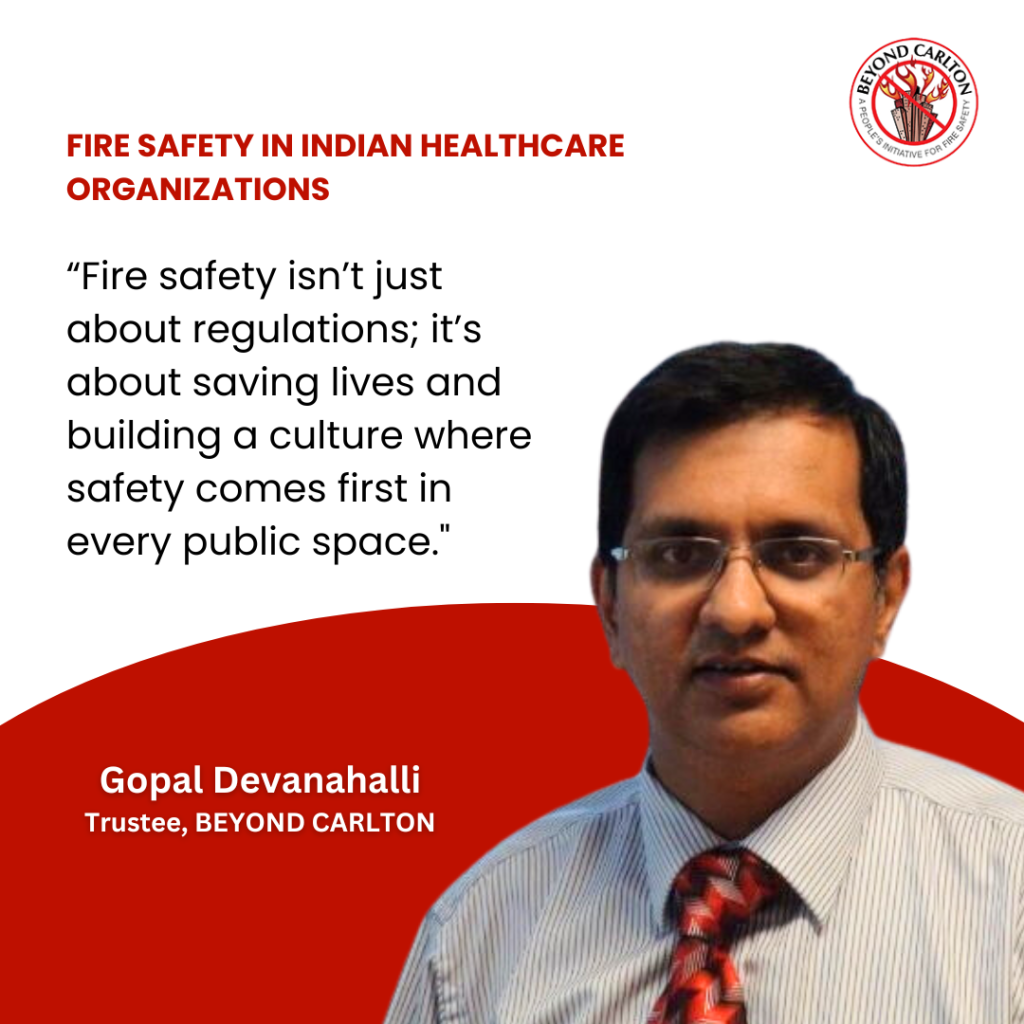
On 22nd January 2025, Beyond Carlton organized a panel discussion on fire safety in Indian healthcare organizations. Moderated by Gopal Devanahalli, Trustee at Beyond Carlton, the discussion brought together a distinguished panel of experts:
- Rajagopal G. (Group CEO, KITES Senior Care & Columbia Pacific Communities)
- Arnab Mondal (Cluster Director, Manipal Hospitals Whitefield)
- Sujayanti Dasgupta (Co-Founder & Director of Healthcare, WARD FOUR DESIGN)
- Dr. Lallu Joseph (Secretary General, CAHO & Associate General Superintendent, CMC Vellore)
The panel highlighted key challenges and solutions related to fire safety in Indian healthcare, drawing on their collective expertise in healthcare management, architecture, and patient safety.
Beyond Carlton: A Citizen-Led Movement
Gopal Devanahalli kicked off the panel discussion by presenting details of the hospital fires in the last 4 years, the causes of the fire and fatalities and what needs to be addressed to improve safety.
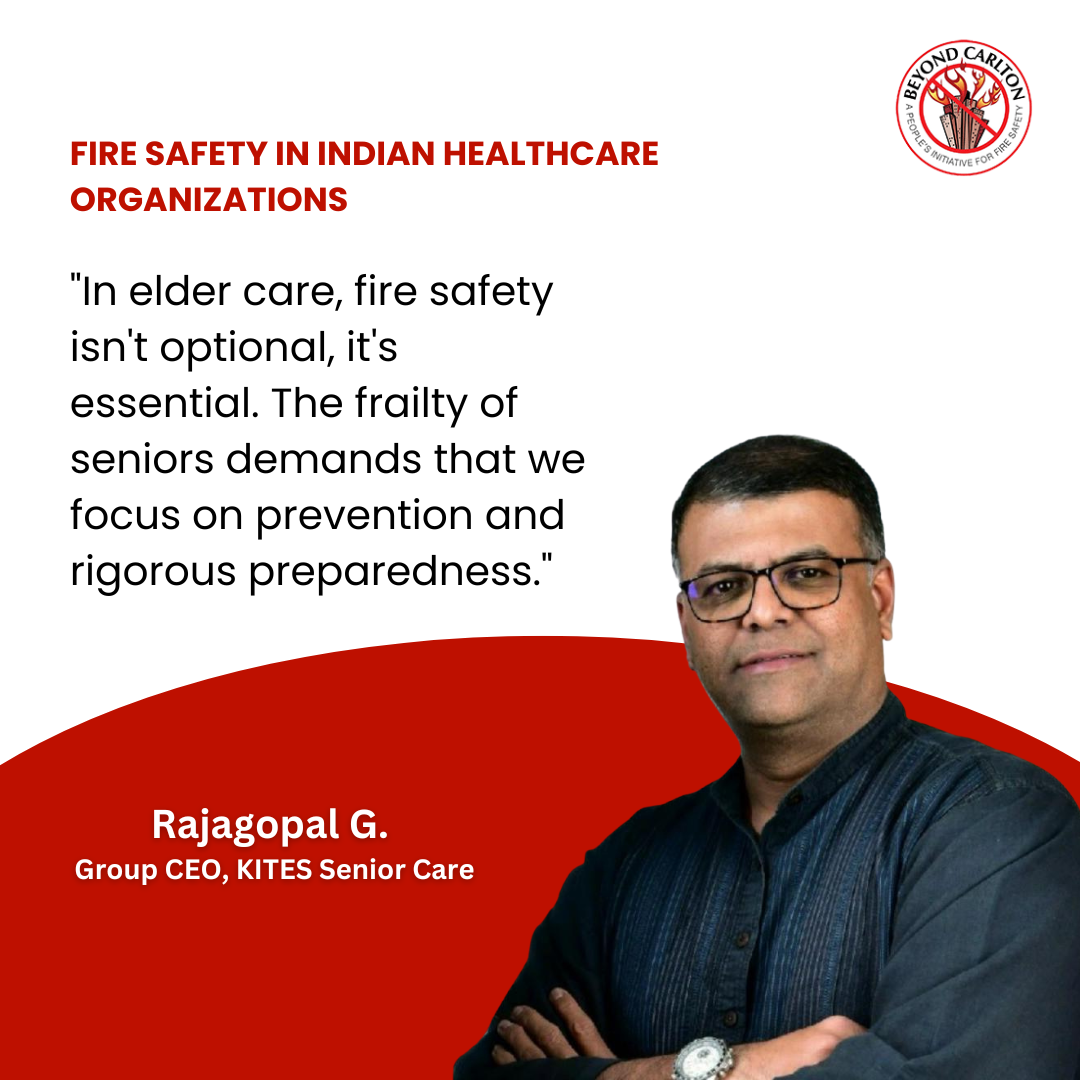
Fire Safety Challenges and Solutions in Senior Care Homes
Rajagopal G., Group CEO of KITES Senior Care, spoke about the unique challenges in fire safety for elder care facilities. “We need to look at fire safety through a sharp lens, especially for vulnerable seniors. Prevention, detection, and protection are our key pillars,” he said. Managing retirement homes and transitional care centres for seniors, he underscored the vulnerability of elderly residents due to limited mobility and frailty. Rajagopal outlined their fire safety strategy:
- Prevention: Frequent electrical audits to mitigate the primary cause of fires—short circuits.
- Training and Awareness: Regular fire drills and training for staff and residents to ensure readiness.
- Infrastructure: Ensuring fire detection systems, sprinklers, and extinguishers are in place.
He also noted the importance of collaborating with fire departments for mock drills to address unique challenges in evacuating dementia patients and bed-bound seniors.
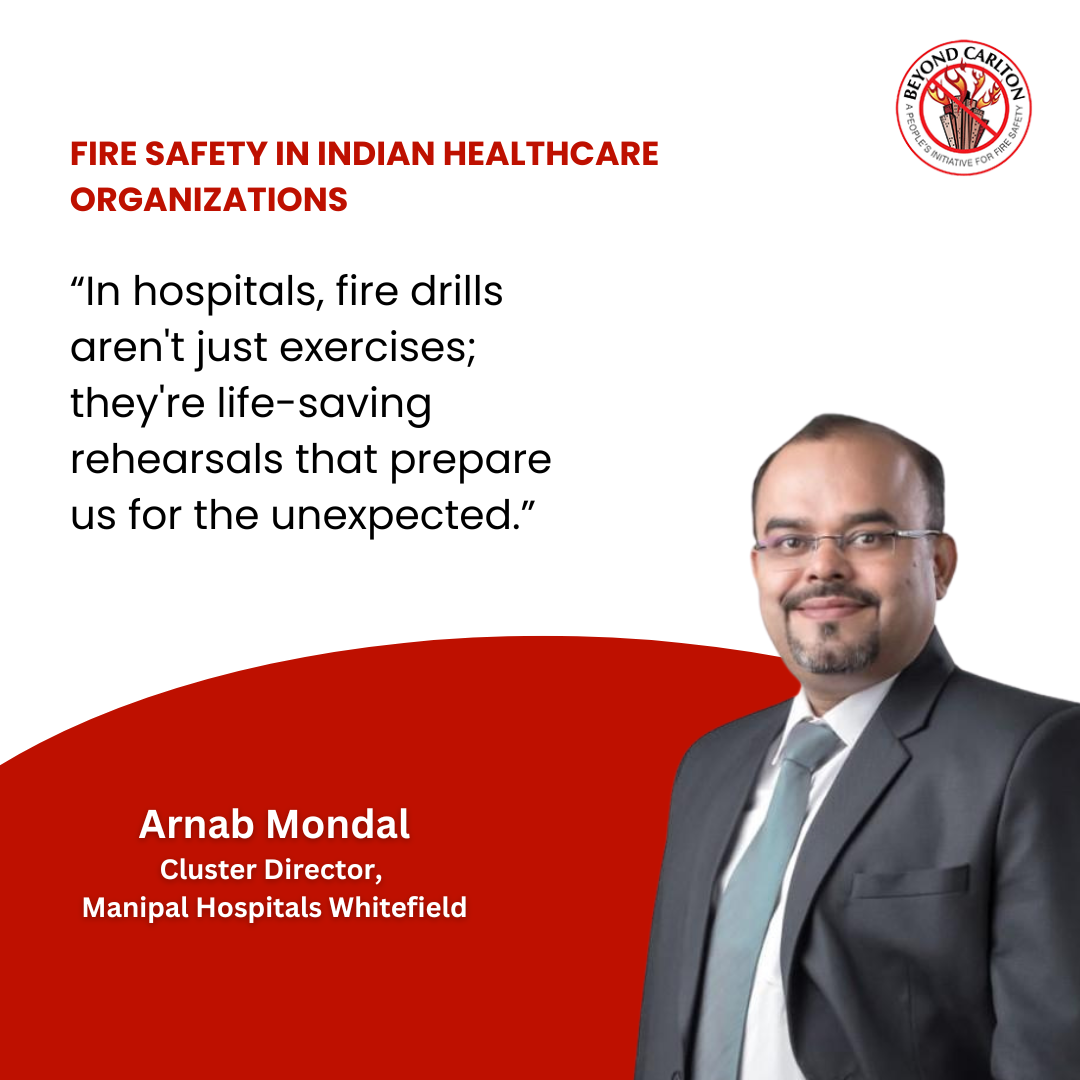
Fire Safety in Multi-Building Hospital Networks
Arnab Mondal, Cluster Director at Manipal Hospitals Whitefield, shared his experience managing fire safety in large hospital networks. “Leadership sensitivity is critical. If the leader prioritizes safety, the organization follows suit,” he emphasized. Highlighting the complexities of hospital layouts—ranging from older structures to newly built facilities—he emphasized the need for uniform fire safety protocols across facilities.
Key measures adopted by Manipal Hospitals include:
- Building Management Systems (BMS): Integrating fire alarms and HVAC systems for rapid response.
- Smart Sensors: Advanced sensors for early detection of electrical faults.
- Rotational Drills: Conducting fire drills in critical areas like ICUs and neonatal units during low-traffic days.
Mondal noted leadership’s critical role in fostering a safety culture, starting with senior management’s sensitivity toward fire safety.
Architectural Perspectives on Fire Safety
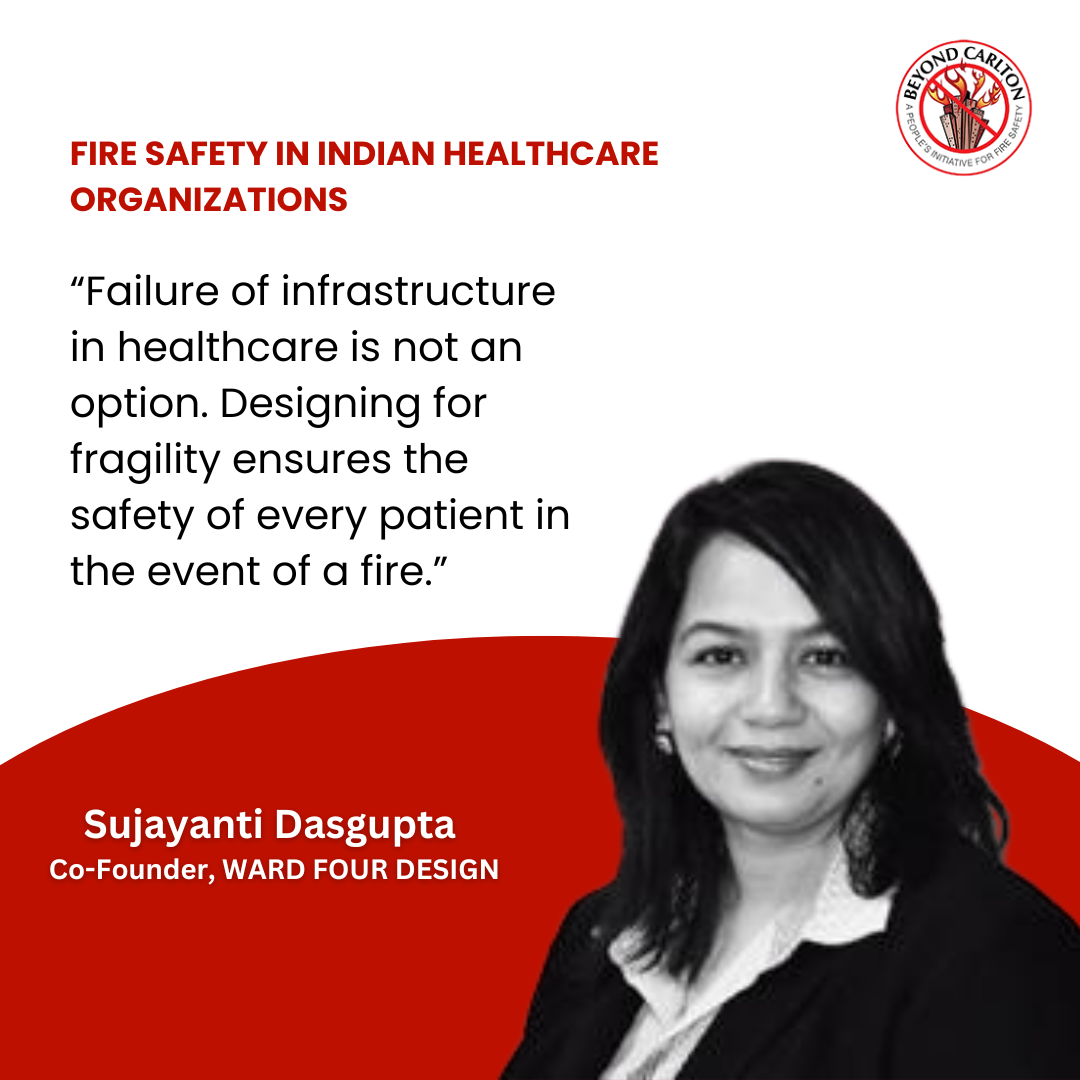
Sujayanti Dasgupta, an architect specializing in healthcare design, highlighted the role of infrastructure in ensuring patient safety. “Failure of infrastructure in healthcare is not an option. We design for fragility to ensure the safety of every patient,” she stated. With over 27 years of experience, she emphasized designing for fragility, given that hospitals cater to patients who may be non-ambulatory or dependent on life support.
Key insights included:
- Smoke Control: Most fire-related fatalities result from smoke inhalation rather than burns. Designing effective smoke management systems can prevent the need for evacuation.
- Evacuation Planning: Not all patients, such as ventilated or NICU patients, can be evacuated easily. Thus, hospitals should prioritize fire containment.
- Retrofitting Older Hospitals: Legacy buildings often require extensive audits to identify hidden hazards, such as combustible materials in ceiling spaces. Retrofitting should focus on fire-rated staircases, egress pathways, and updated electrical systems.
Evacuation Protocols and Training
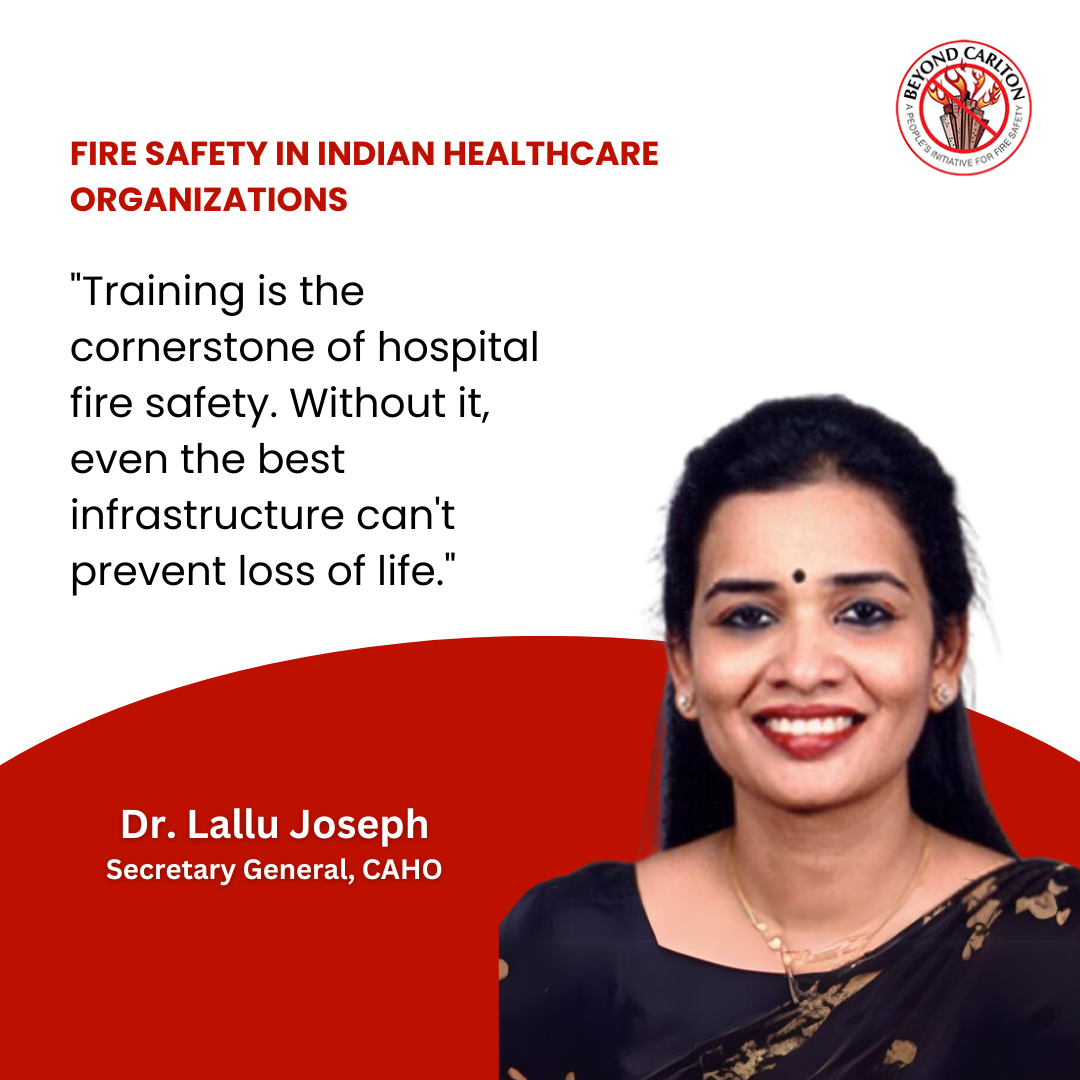
Dr. Lallu Joseph, Secretary General of CAHO and Associate General Superintendent at CMC Vellore, brought a dual perspective of quality management and engineering. “Hospital fires aren’t like regular fires. Our protocols and training must reflect this reality,” she explained. She highlighted the importance of:
- Evacuation Protocols: Developing detailed plans for various clinical scenarios, including patients on dialysis, ventilators, or undergoing surgery.
- Training Programs: CMC Vellore trains fireguards through a unique one-year program approved by the Health Sector Skill Council. Dr. Joseph emphasized the need for specialized training as hospital fires differ significantly from other building fires.
- Electrical Safety: Neglected electrical systems are a major cause of hospital fires. Regular audits and immediate corrective action can significantly reduce risks.
Patient Engagement and Responsibility
Dr. Joseph also stressed the role of patients and caregivers in fire safety. “Patients should ask smart questions and know their nearest exits. Awareness is a powerful tool,” she noted. She urged patients to:
- Identify fire exits upon entering a hospital.
- Limit the number of accompanying relatives to avoid overcrowding.
- Choose facilities that display fire safety compliance certifications.
She noted that greater patient awareness and engagement would compel hospitals to maintain higher safety standards.
Technological Advancements in Fire Safety
Mondal elaborated on how technology is transforming fire safety in hospitals:
- Mobile Ventilators: Ensuring mobility for patients on life support during evacuations.
- Real-Time Alerts: Mobile apps integrated with BMS provide instant notifications to response teams.
- Electrical Fault Detection: Advanced equipment audits and smart sensors enhance early detection of potential hazards.
Addressing Fire Safety in Legacy Buildings
The panel concluded with a discussion on retrofitting older healthcare facilities. Sujayanti highlighted the need for retrofitting guidelines and urged policymakers to prioritize this area. Dr. Joseph added that older hospitals must adopt innovative solutions to comply with modern fire safety standards without disrupting operations.
The panelists unanimously emphasized that fire safety in healthcare is not just about compliance but also about creating a culture of safety. Prevention, training, patient engagement, and leveraging technology are key to reducing fire-related tragedies in Indian hospitals. Beyond Carlton’s efforts in fostering dialogue and awareness are a crucial step in this direction.
As the discussion revealed, fire safety is a shared responsibility that involves healthcare providers, architects, administrators, and patients. By addressing gaps and working collectively, Indian healthcare organizations can ensure safer environments for all.